

5 tips to get hired for a trainee position in Norway
Recognize what abilities you have built through your education or previous work
What skills did you develop in your classes? Think about the different kinds – scholastic, hard skills, and soft skills. For one, in your financial courses, you gain the ability to think precisely and thoroughly. And if your school lessons include group work, you have developed communication skills.
In addition, remember to reflect on the knowledge and skills you have gained from other experiences like volunteering, as well as other internships and work.
Become aware of yourself and your unique abilities
How do you usually go forward when you have a new challenge to tackle? What you do in these situations will determine what kind of person you are, and your potential employer cares about this too. In the recruitment process and when you go to get interviewed, you have to be aware of your personal strengths, and how you’ve used them, in order to bring backbone to your statements.
There are two ways in which you can make this happen. One, you beg for help from a friend or family member. Or two, you brainstorm all the different words and qualities that best fit yourself, put 2-5 of them down on paper, and then write a specific situation in which you’ve demonstrated the quality.
Understand why you want to work for this company
Your motivation for applying to the job is a major determining factor that employers will look at when considering different candidates. Having knowledge of the industry, the firm, and the work responsibilities are just some of the requirements. Ask yourself what it is that gives you a burning desire to work for this company and no other? Attempt to put it down in plain text, and think hard on the different reasons – this can make it easier for you to gain the answers you seek.
Adapt your CV to the job
Your resume is a crucial document to get right when you’re going to søke læreplass in Norway. Start out by reading the job announcement thoroughly to become aware of what the company is looking for in an ideal candidate. You don’t have to match with every qualification to have a go with an application. Candidates should demonstrate their knowledge, academic background, and their potential to flourish within the organization.
Also, it’s important to include mainly the most relevant experiences you have, so that you don’t exceed the two-page CV that most companies want to see. You can also include hobbies and activities you like outside of academia, since some companies want a more holistic view of you as a person.
Tailor each cover letter
Your cover letter is probably one of the most important things you need to nail in order to get the job. By doing it right, you are able to show why you want the job, and why the company must absolutely hire you.
Your cover letter needs to show the experience you’ve built through different jobs, and how it relates to the position you want.
If you follow these 5 tips, you’ll be much more likely to get hired for a trainee position in Norway.
How to Write a Job Description
When a company needs a candidate that have the right skills and experience to fit the job profile, they need to make a job description that can filter out the applications and reach out to the people who possess the right worthiness for the job. The best job description should have information about the role, a bit of marketing about the company, required skills, and the work environment of the organization. If this is your first time writing a job description, you should understand the importance of it to find a worthy candidate while delivering information about your company that will make a candidate comfortable to apply. Here are some tips for writing the job description.
Get the job title right
The most important part of the job description is its title. While you can simply post the opening of your company as the title, here is where you can be most creative to find a candidate. Do not confuse your candidate with a JD that you feel is witty and smart. Instead, try to keep it more formal. Making your job title esoteric to make it stand out may also backfire in confusing the candidates about the actual job role.
Include an overview

If a candidate does not have any idea about your company, they can use the overview, which explains the requirements of your company and the work culture. Convey how the job position needs a worthy candidate that will help the company and society as a whole.
Avoid superlatives and extreme modifiers
You do not need to glorify your image in front of the candidates to get their attention. Using words like “best of the best” will create doubt among candidates. Instead, use words like perfectionists or futuristic to sound more professional and aware of your company. Still, a formal approach while describing yourself is the best way to communicate directly to the candidate.
Focus on the responsibilities of the company
Avoid writing down every single task that the candidate needs to know in the job description and try to create a list of roles that explains everything about their role in the company. You can categorize different roles under technical requirements, management requirements, and communication requirements. Explain how their role will contribute to the company as a whole.
Take the help of current employees

If you have been using the same job description for years, even though your company has grown through time, you may miss out on new information. According to research, women tend not to apply for the job roles they do not qualify for. There might be some criteria that need an upgrade if you have not been receiving many applications in the past. Take the help of your employees to understand what can be improved in the JD.

Tips for Writing a Great Resume
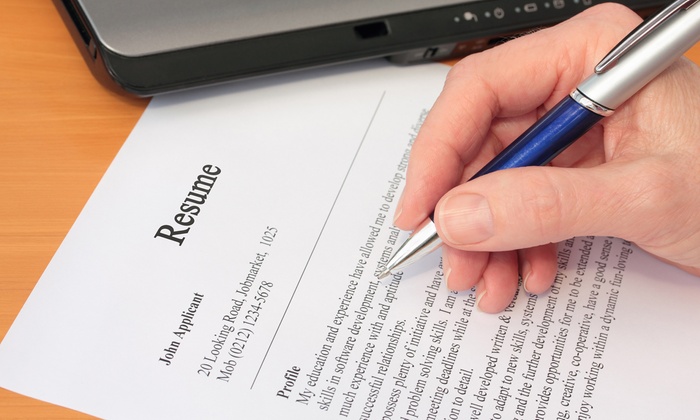
A resume is the first information that an employer uses to know about you and your skills, also called a CV (short for curriculum vitae). It showcases your value and a candidate and informs the hiring company why you are a good fit for your company. Your resume should be easy to read. It should contain every accomplishment and highlights your experience in the candidature the company is looking for. If you are planning to create your first resume or are planning to update your old one, these tips will be useful to write a good resume.
Search for keywords
When you apply for a particular job, you must check out the specific keywords in the job description that you can use in your resume to make it more relevant. Every keyword, like data management, grammar, coding, etc., will give you a quick highlight in front of the employer.
Use a good font
Your font in your resume is equivalent to how you dress up for your interview. If your first impression by the looks of your resume is not impactful, chances are you will be left behind. Whether it is a resume for a big corporate or a media agency, you should always stick to professional fonts like Arial and Times New Roman and keep the size around 11 and 12.
Rank your information
When you have a long list of accomplishments, it may get difficult to rank your accomplishment according to the type of candidate an employer wants. But the sooner you do it, the better. The hiring managers may not go through your entire resume at all. That is why you need to rank the most important skills on the top and keep your school accomplishments towards the end.
Use active language
When you write your resume using the active language, it becomes easier to read for the employers without having to read unnecessary extraneous words. Instead of writing a long sentence trying to highlight your accomplishment, try to make it short and keep the rest for your interview.
Use subheadings smartly

You can use the resume summary and a resume objective in the same resume, but it will not make much difference and only waste the time of the employer. Choose your subheadings carefully and try to merge subheadings if you do not have the most points to put under two different subheadings.
Proofread your resume
Once you have completed writing your resume, you should proofread your resume enough times to be confident that you did not make any mistakes and that your resume reads well. Make sure that you still did not miss out on any important topics. If needed, get your resume checked by a third party who can help you correct and improve your resume.